
Organic
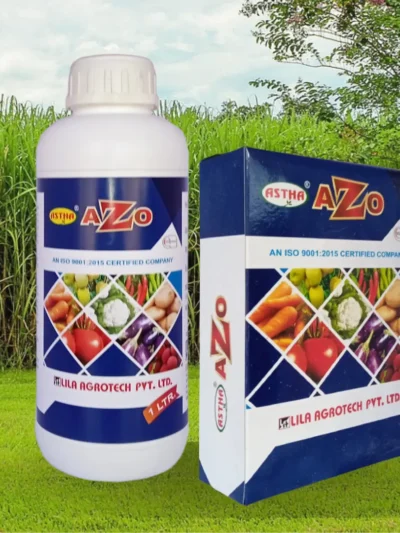
ASTHA AZO
Nitrogen fixing bacteria for non-leguminous crops.
1×10⁸ CFU/ml | 5×10⁷ CFU/gm
View Details
Dual Action
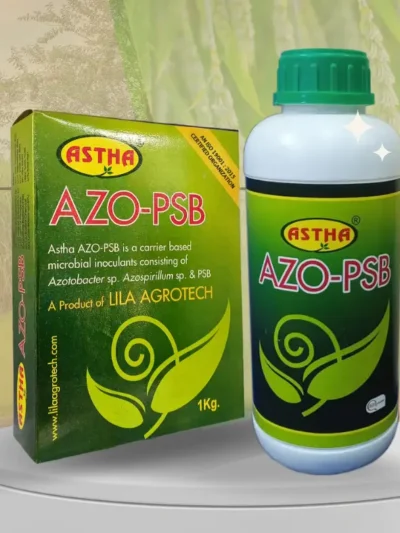
Astha AZO – PSB
Dual Action culture for Nitrogen & Phosphorus fixation.
1×10⁸ CFU/ml | 5×10⁷ CFU/gm
View Details
Root Growth
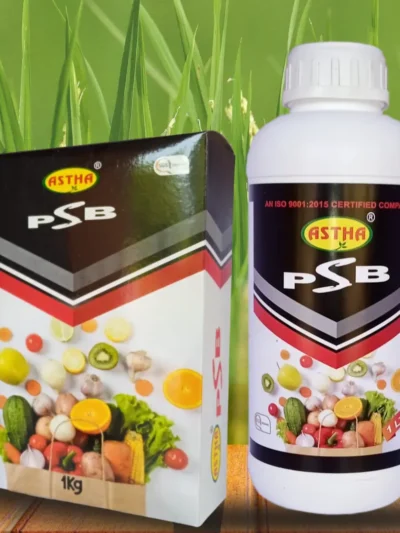
ASTHA PSB
Phosphate Solubilizing Bacteria for better root growth.
1×10⁸ CFU/ml | 5×10⁷ CFU/gm
View Details
High Yield

ASTHA RHIZO
Rhizobium culture for high-yield legume production.
1×10⁸ CFU/ml | 5×10⁷ CFU/gm
View Details
Fruit Quality
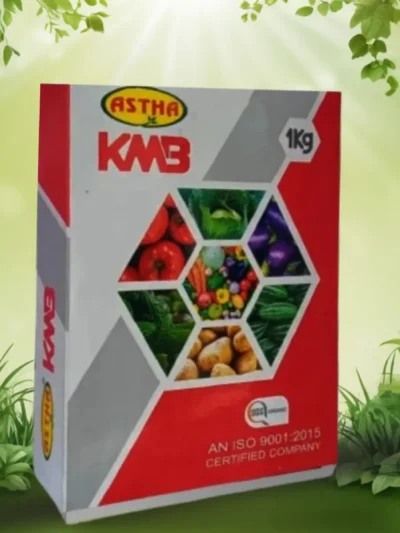
ASTHA KMB
Potash Mobilizing Bacteria for fruit weight and luster.
1×10⁸ CFU/ml | 5×10⁷ CFU/gm
View Details
All-In-One
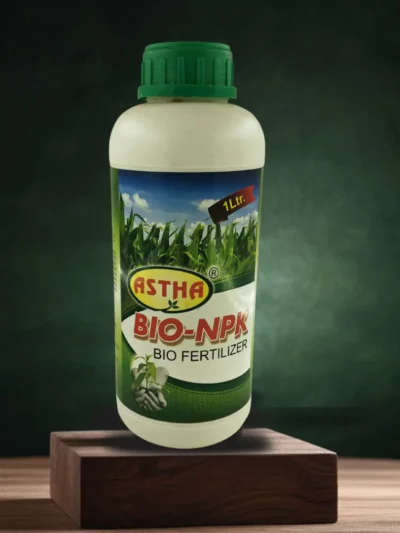
ASTHA BIO NPK
Complete Bacterial Consortium for N, P, and K.
Liquid & Dust Available
View Details
Cereals & Millets

ASTHA AZOSPI
Azospirillum for cereals, millets, and fiber crops.
1×10⁸ CFU/ml | 5×10⁷ CFU/gm
View Details
Pod Quality
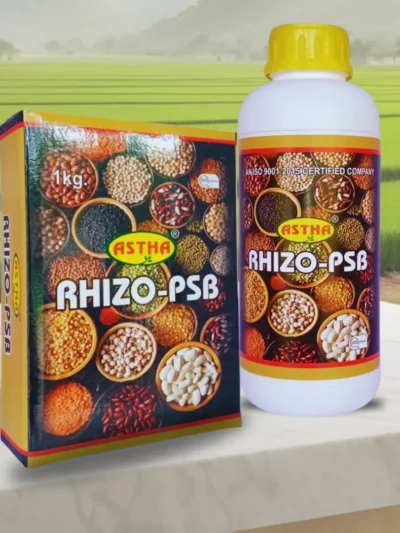
ASTHA RHIZO-PSB
Microbial blend for pod quality in legumes.
1×10⁸ CFU/ml | 5×10⁷ CFU/gm
View Details